

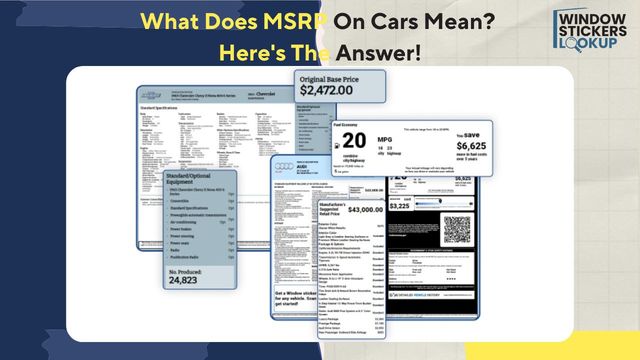
When shopping for a vehicle, one of the first prices you’ll encounter is the MSRP. Understanding what this number means and how it affects what you actually pay can help you make smarter buying decisions.
Every new car has an MSRP, and if you’re buying a used car, you can still verify the original MSRP when it was new by looking up the car window sticker.
This article will explain what MSRP means and doesn’t, clarify the difference between MSRP and invoice, and answer top questions like why you have to pay more than MSRP.
What is MSRP for a Car?
MSRP, also called sticker price, stands for manufacturer’s suggested retail price. It’s only a suggested price that serves as a starting point for negotiating a good deal on a car you can end up paying more or less than MSRP.
You may also hear it called:
- Sticker price
- List price
- Recommended retail price
If you’ve ever wondered why car dealers prefer to provide their potential buyers with a car’s suggested price, it’s because the Federal law, according to the Automobile Information Disclosure Act of 1958, requires this price to be affixed to the window of every new vehicle up for sale.
The Automobile Information Disclosure Act of 1958 was led and sponsored by Oklahoma senator Almer Stillwell “Mike” Monroney. It mandated that automakers and dealers disclose a vehicle’s costs and features to car shoppers.
If you’re buying or selling a used car and want to know the car’s original MSRP to facilitate a fair deal, simply get the vehicle window sticker by VIN to access the list price or recommended retail price and the original features, options, and packages.
This price is set by the manufacturer, not the dealer, and serves as a baseline for vehicle pricing across different locations.
Why Is MSRP Called the Sticker Price?
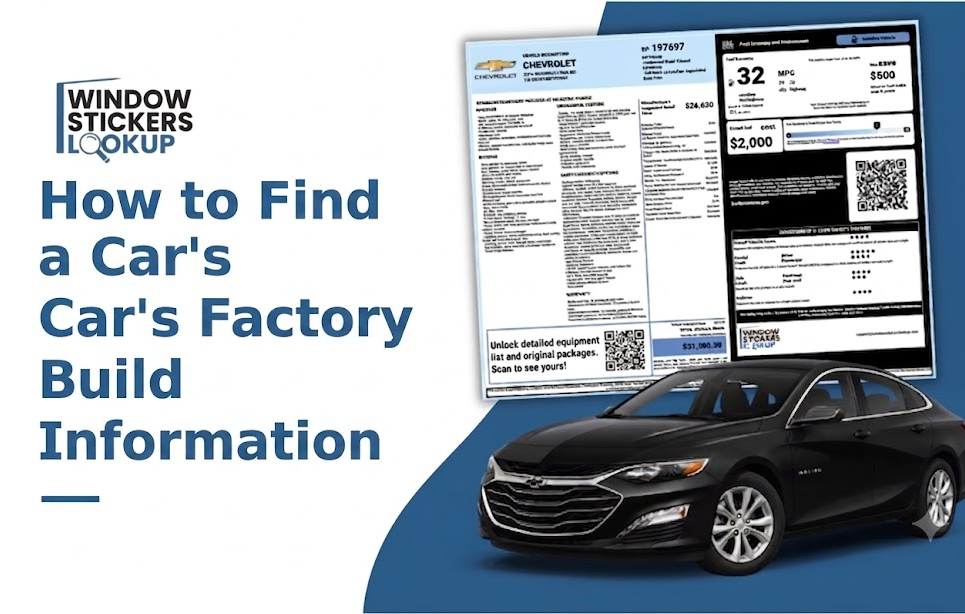
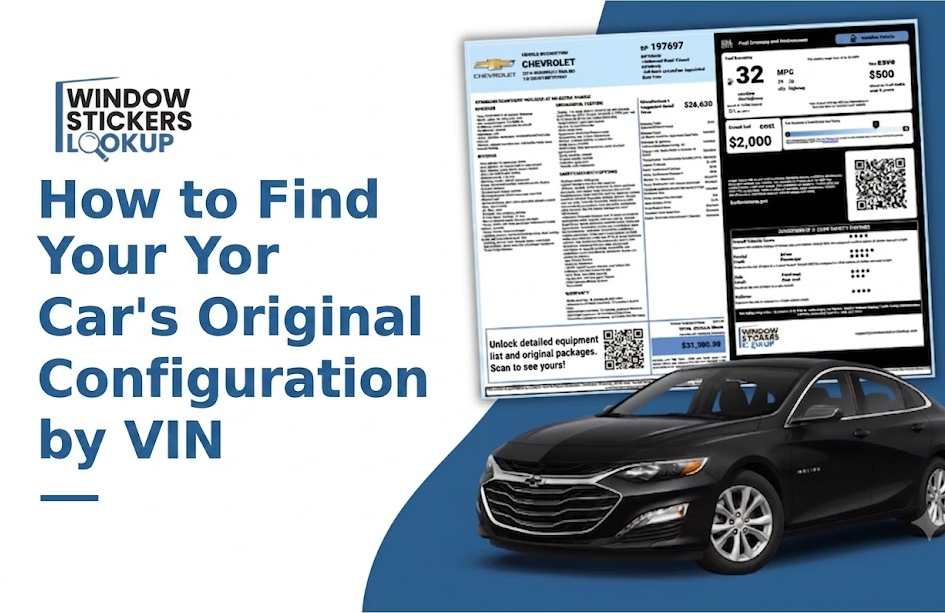
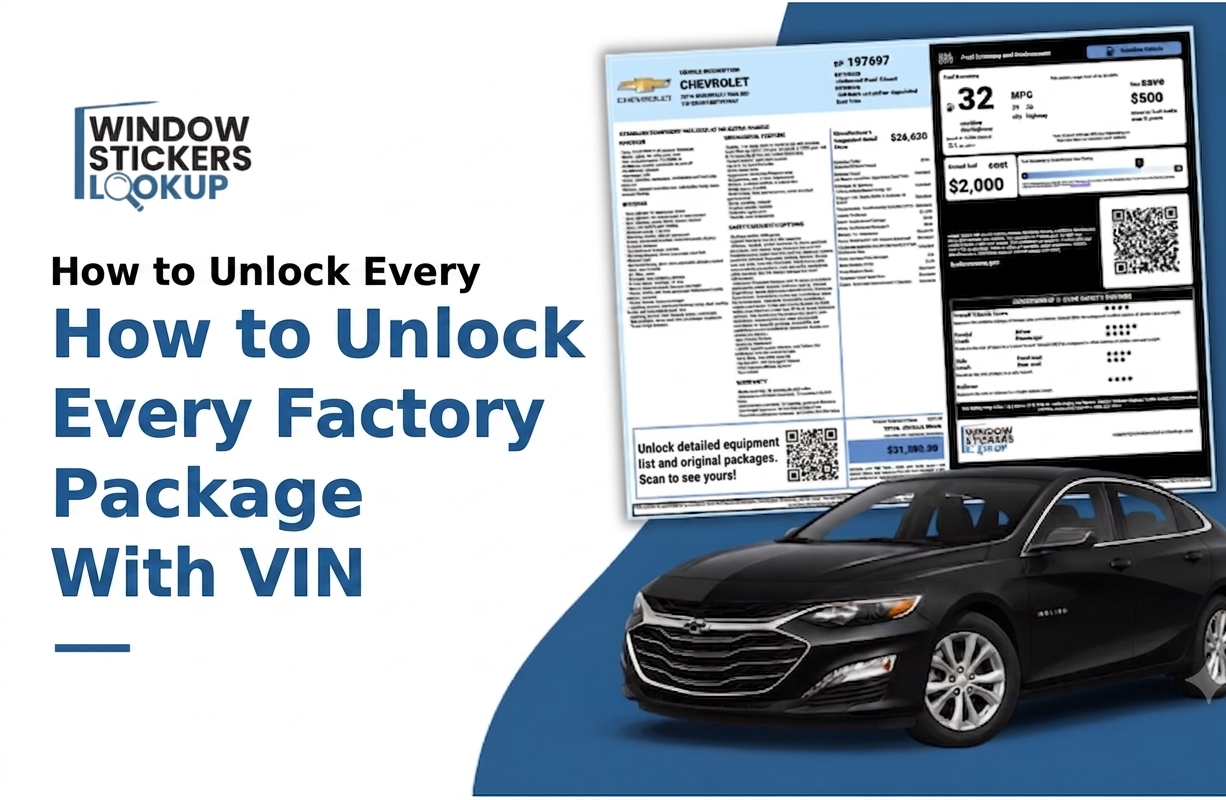
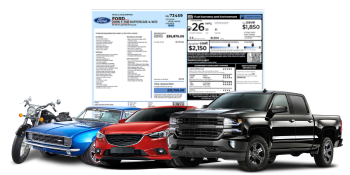
The term “sticker price” comes from the window sticker (also known as the Monroney label) placed on every new car. This label displays important details about the vehicle, including:
- MSRP
- Standard features
- Optional packages
- Fuel economy
- Safety ratings
In many countries, especially in the U.S., dealers are required to display this information clearly on the vehicle.
What Does MSRP Include?
MSRP typically reflects the cost of building and marketing the vehicle, along with a suggested profit margin for the dealer. It usually includes:
Base vehicle price
Factory-installed options
Standard equipment
However, MSRP does not always include:
Taxes
Registration fees
Dealer fees
Extended warranties or add-ons
These additional costs can significantly increase the final price you pay.
How is the MSRP Calculated?
Car manufacturers use several factors to determine what a particular vehicle’s MSRP should be. The factors include the following:
- Manufacturing cost
- The sales process
- The average dealership
- profit margin
- The market data
Is MSRP the Price You Actually Pay?
Not necessarily. MSRP is only a recommended price, meaning dealerships can sell the car for more or less depending on various factors such as:
Market demand
Vehicle availability
Dealer pricing strategy
Negotiation
In most cases, MSRP serves as the starting point for negotiations, not the final price.
MSRP vs. Invoice Price: Is There Any Difference?
You might have often heard people say “invoice price,” but it’s actually not the same as MSRP. The invoice price refers to the amount the dealer paid the manufacturer for a car. This invoice and the sticker price can help a car buyer make an informed decision when negotiating a car’s price.
To fully understand MSRP, it’s helpful to compare it with other common pricing terms:
MSRP
The manufacturer’s suggested selling price.
Invoice Price
The amount the dealer pays the manufacturer for the vehicle (usually lower than MSRP).
Out-the-Door Price
The total amount you actually pay, including taxes, fees, and extras.
Understanding these differences helps you avoid overpaying and negotiate more effectively.
Why Do Some Dealers Sell Over MSRP?
When dealers know that a particular car model is in demand, they tend to increase the price above the manufacturer’s suggested retail price.
Additionally, a vehicle’s high performance or limited production (i.e., special editions) can cause the price to exceed the MSRP.
Other reasons include:
- Looking for a model with rare-to-find features
- Dealership has non-negotiable policies
- Buying as soon as a car is released on the market for sale
MSRP plays an important role in the car-buying process because it:
- Provides a standard reference price
- Helps compare different vehicles
- Gives buyers a benchmark for negotiation
- Promotes pricing transparency across dealerships
Even though you might not pay MSRP, it’s still one of the most important numbers to understand before making a purchase.
Can I get MSRP for a used car?
If you’re looking to get the sticker price of an old car but can no longer locate the original window label, you can easily get a replacement window sticker by VIN lookup.
The window sticker contains MSRP, along with everything you’d need to know about a car, including:
- Vehicle specifications
- Engine specifications
- Mechanical features
- Standard equipment
- Options and packages
- Destination charge and total price
- Colors (interior and exterior)
- NHTSA safety ratings
- EPA fuel economy
- Fuel cost
- Warranty information
Conclusion
If you’re considering buying a new car, arming yourself with what’s included in the MSRP and what’s not can facilitate a smart buying decision.
To access the MSRP of a used car, simply get the window sticker by VIN lookup.
Buying a used car is a great idea if you’re budget-conscious and want to save money on your next car shopping.
However, you need to perform a vehicle history check to be sure you’re buying a reliable car with safety guaranteed on the highway.
Frequently Asked Questions
How much can you get off MSRP on a new vehicle?
Yes, pre-owned cars have MSRP. It’s mandated by Federal law for dealers to disclose their car’s MSRP or vehicle’s base price.
Do used cars have MSRP or sticker prices?
Yes, pre-owned cars have MSRP. It’s mandated by Federal law for dealers to disclose their car’s MSRP or vehicle’s base price.
Can I Negotiate Off MSRP for Cars?
Yes. The MSRP is not the lowest price, highest price, or selling price that a dealer can settle for. So, you should only use the MSRP as a reference point for negotiating a good deal.
Invoice pricing vs. MSRP: What’s the difference?
A car’s invoice price is the amount the dealer paid the car’s manufacturer. It’s also referred to as dealer price. On the other hand, the MSRP is the amount the manufacturer suggests the car to be sold. However, the dealer may decide the price they want to sell their car.
Does the MSRP mean the base price or the selling price?
MSRP is not a car’s selling price. It’s the base price plus the cost of added factory-installed features by the manufacturer before the car was purchased by a dealership. These additional features are often called options or optional equipment.